Precariousness

A multifaceted issue

Meeting the basic needs of people in need—such as hygiene and food assistance—are specific objectives of the Foundation.

Understanding precariousness in all its dimensions

Job insecurity that affects people of all backgrounds

Precariousness refers to a situation of economic, social, and sometimes energy-related instability that limits access to fundamental rights. It can affect employment, housing, health, education, access to energy, or food.

In France, several million people live below the poverty line, and many others are at risk of quickly falling into situations of vulnerability.

This reality affects families, young people, women, and workers alike. The phenomenon of the working poor clearly illustrates this paradox: having a job no longer automatically guarantees a decent standard of living.

Precarious working conditions, insufficient income, mandatory part-time work, and furloughs are all factors that contribute to perpetuating these situations.

Far-reaching and lasting consequences

Precariousness also has cumulative effects. It is not limited to a temporary lack of resources; it often leads to restrictions on life choices, a decline in health, social isolation, and even a loss of stability for households.

Life paths are rarely straightforward, and escaping poverty requires a variety of approaches. 

Understanding the many facets of precariousness is essential to taking effective action.

Taking Action Against Precariousness: Our Concrete Commitment

The Onet Foundation focuses its efforts on two major forms of vulnerability: food insecurity and lack of access to sanitation.

Food insecurity 

Food insecurity prevents millions of people in France—students, families, and people living alone—from accessing healthy food. This lack of access has serious consequences for health and social inclusion.

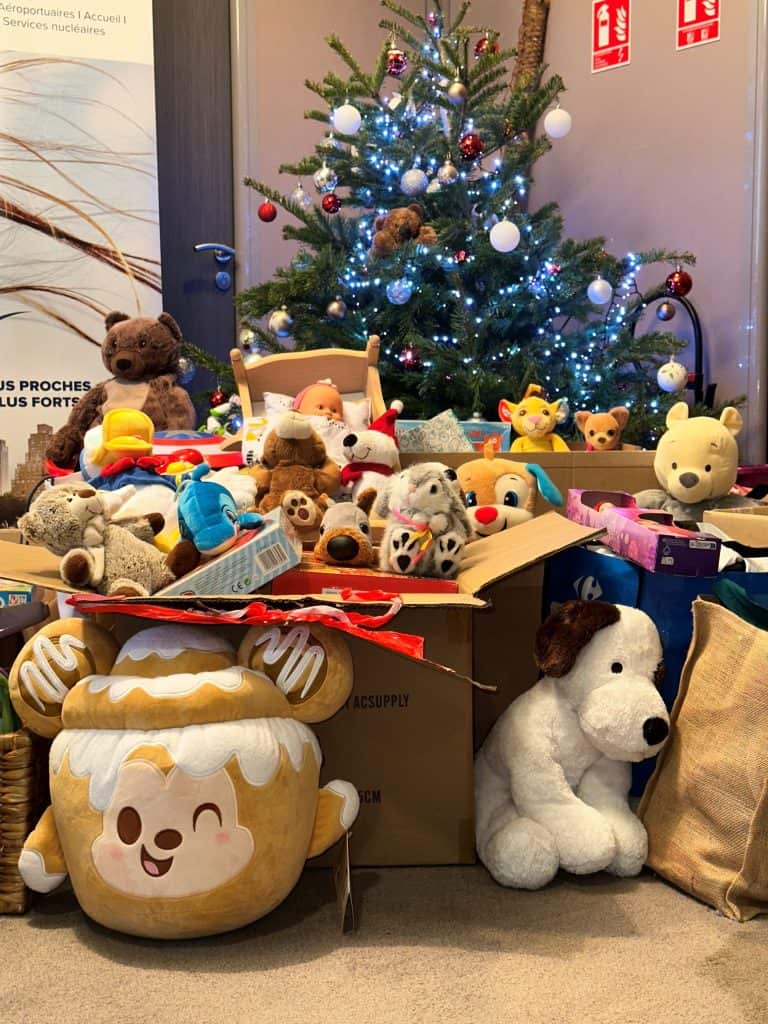
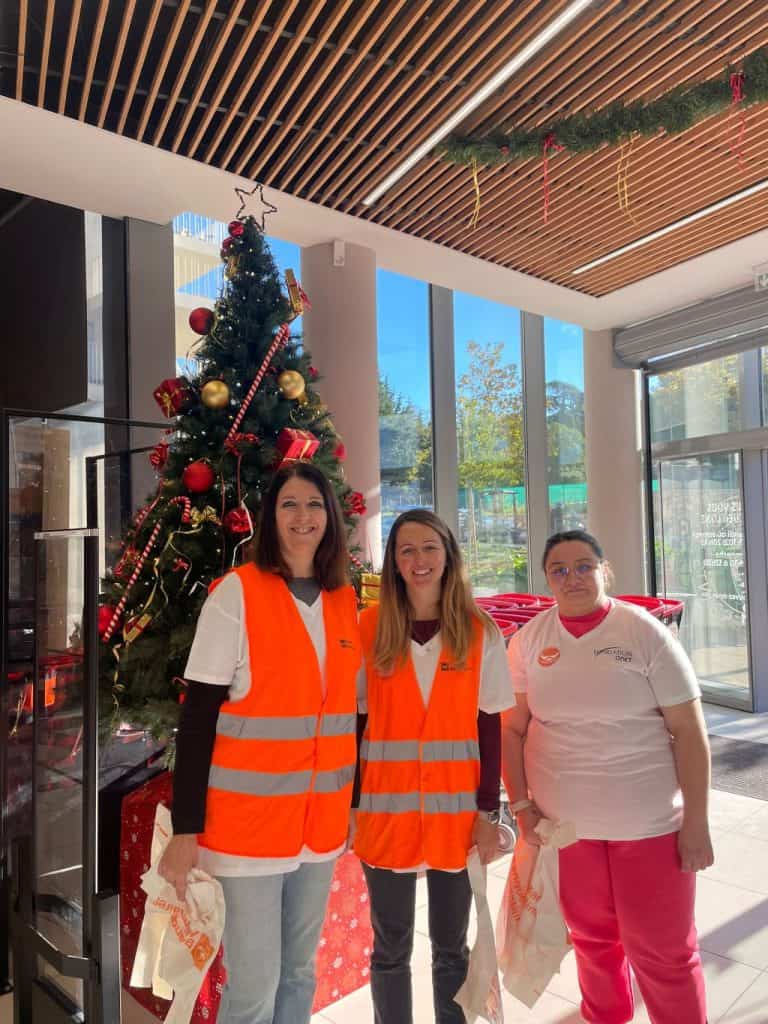
Every November, the Onet Foundation organizes a food drive at its locations and partner stores to benefit food banks and local organizations.

FOOD DRIVE

Poor sanitation 

Poor sanitation deprives many people—women, young people, and the homeless—of regular access to basic necessities.

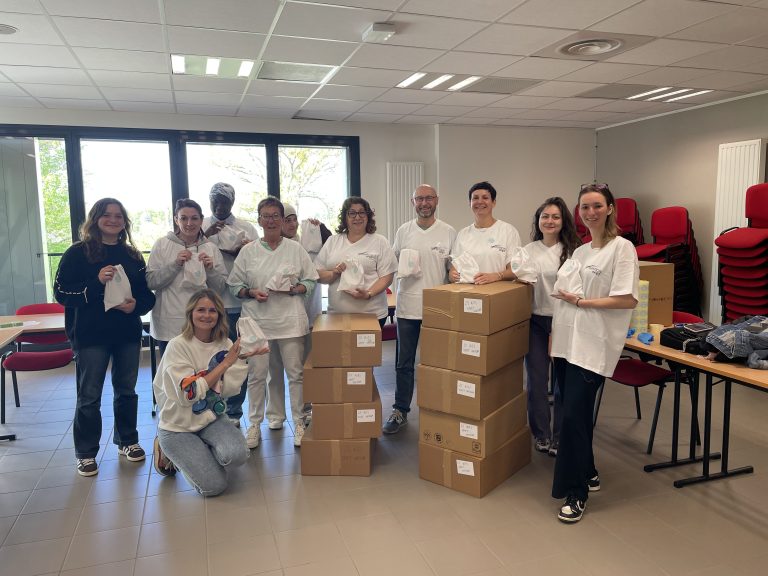
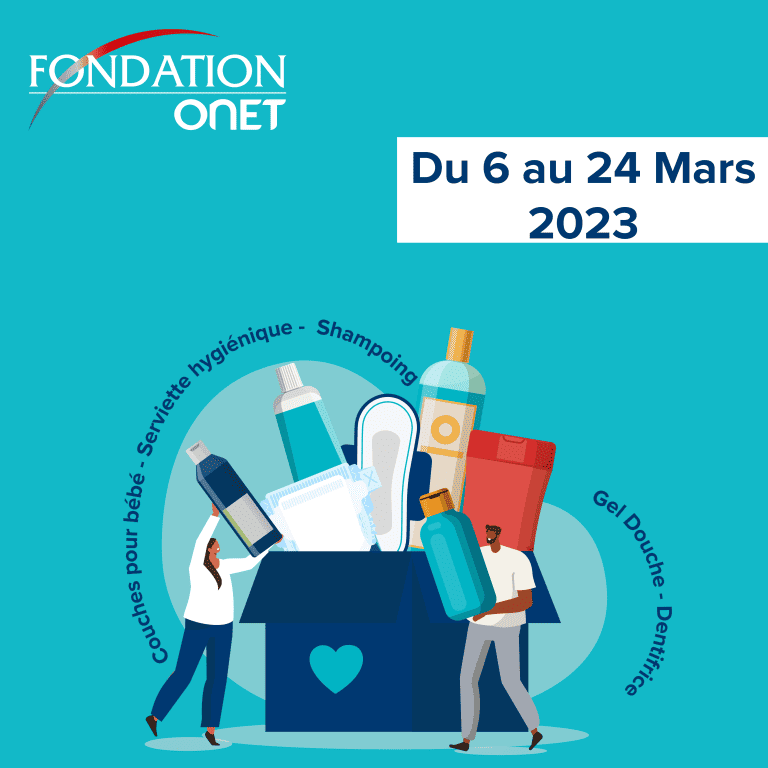
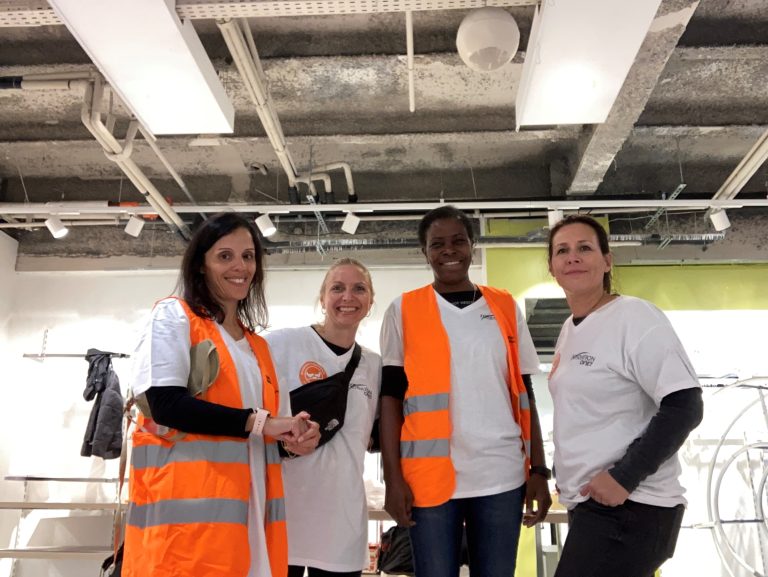
In March, the Onet Foundation is coordinating a drive to collect hygiene products, which will be distributed to local organizations. Employees can also get involved on the ground, for example by working with UNISOAP to assemble and deliver hygiene kits.

COLLECTION_HYGIENE

Our tickets

Contact us

If you have any questions or would like more information, please don’t hesitate to contact us.

The Onet Foundation is here to assist you with your needs and support you every step of the way.

This data is collected for the purposes of processing related to subscriptions to our newsletters, communications about events related to the Onet Foundation’s activities, and outreach.

All data fields are required. This data is intended for authorized Onet Foundation staff.

This data will be retained:

for 3 years from the date of your last contact with us if you are not otherwise listed as a “client” contact;
if you subscribe to a newsletter or event invitations, for as long as you do not unsubscribe.

What if we also talked about substandard housing?

Substandard housing

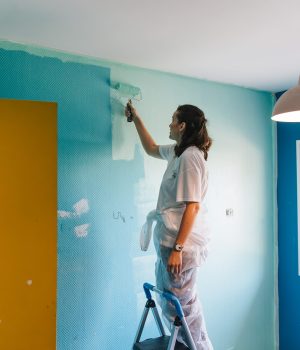
Poverty doesn’t stop at the dinner table. It also plays out within the four walls of a home. Faced with substandard housing, thousands of people live every day in undignified conditions or are homeless.

The Onet Foundation is also committed to this cause, providing concrete solutions to bring about lasting improvements in the daily lives of those who lack decent housing.

Foundation 2-9