
CHRS, university hospitals, boarding houses, social housing… Find out how residential housing helps people in vulnerable situations get back on their feet.
Every night in France, hundreds of thousands of people lack a stable and secure roof over their heads. According to the latest figures from the Foundation for Housing for the Disadvantaged, nearly 4.2 million people are affected by poor housing conditions, including 350,000 who are homeless. Faced with the scale of this housing crisis, shelters provide an essential safety net for people in need: single women, children, and families in extreme poverty. Far from being mere temporary refuges, these shelters serve as true stepping stones toward self-sufficiency, and the Onet Foundation has been supporting them for over fifteen years.
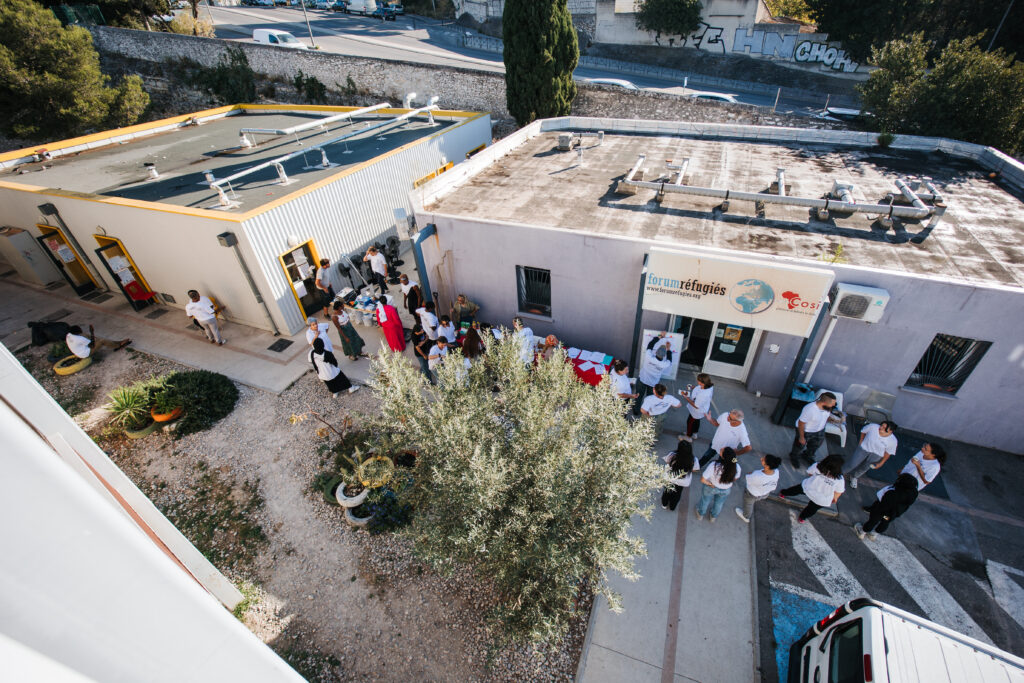
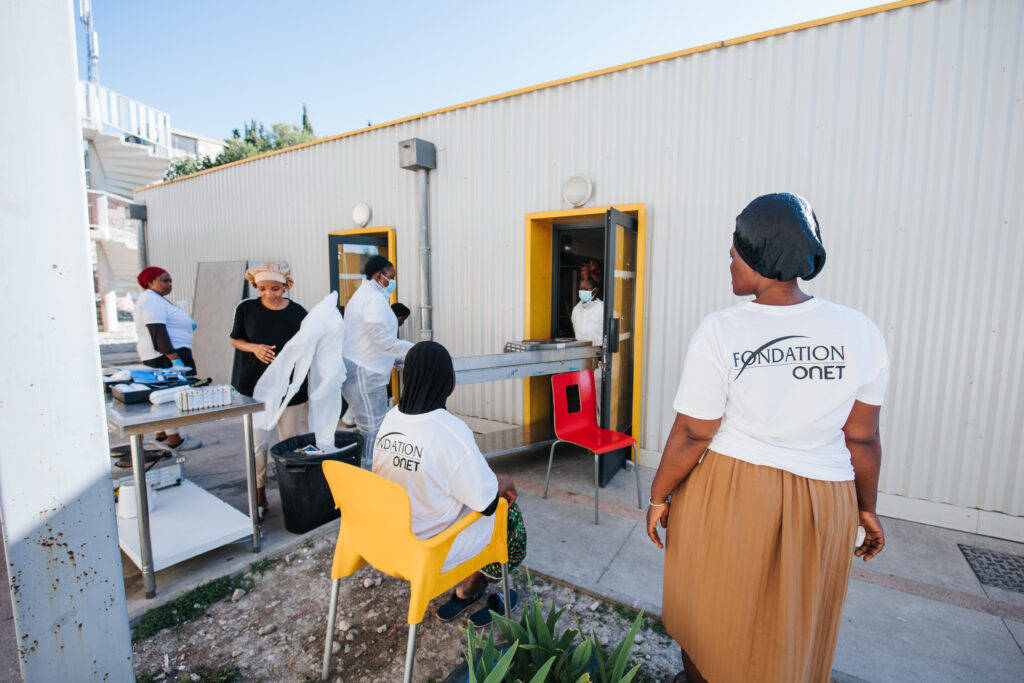
Institutional housing refers to all collective or semi-collective housing arrangements intended for people in precarious situations or facing social exclusion who are unable, either temporarily or permanently, to access standard housing.
Unlike traditional rentals, these facilities offer supervised housing, often accompanied by personalized social support.
The goal is not merely to provide a roof over someone’s head, but to support each person in achieving a more stable situation by addressing employment, health, social rights, and personal recovery.
Every year, millions of households find themselves in various of substandard housing: unfit housing, shantytowns, precarious living arrangements with a third party, or homelessness. The indicators published by INSEE reveal deep inequalities in housing, with rents that are unaffordable for growing of the population.
For many, shelter is the first step toward a lasting transition off the streets—a concrete solution to a crisis that shows no signs of abating.
Emergency shelters Emergency, social reintegration centers, social housing, boarding houses, specialized facilities: behind these technical terms lie a range of possible solutions to very different life situations.
Some facilities address immediate distress. Emergency shelters (CHUs) take in people experiencing homelessness referred via the 115 hotline, regardless of income or background, sometimes within a matter of hours. Their primary mission is to provide shelter, listen, and offer a first step toward help. Day in and day out, these teams face constant pressure, a sign of the scale of the housing crisis in France.
Transitional housing and social reintegration centers (CHRS) provide medium-term support: they take in people in dire straits, victims of violence, families in crisis, vulnerable children, and individuals released from detention, and work with social workers to guide them toward a personalized reintegration plan.
Other types of housing are designed for the long term. Social housing provides private accommodations for people who are no longer in emergency housing but are not yet able to access the conventional rental market. Boarding houses welcome the most isolated individuals into a stable and supportive environment, with no pressure to leave: a place where they can get back on their feet, at their own pace.
Finally, more specialized facilities—such as shelters for women who are victims of violence, reception centers for asylum seekers, and housing adapted for people with disabilities—address specific vulnerabilities with staff trained to work with these populations.
These programs do not operate in isolation. They form a continuum, with each stage paving the way for the next. What unites them all is a shared conviction: no one should be stuck in temporary housing simply because there is no clear path to stable housing.
This is precisely the goal of the national “Housing First” policy (Housing First), launched in France in 2017: to reduce homelessness by accelerating direct access to regular housing, rather than keeping people in temporary housing arrangements with no end in sight. This link between social urgency and sustainable housing solutions is at the heart of current political debates, and grassroots organizations are at the forefront of these efforts.
Residential housing is therefore not an end in itself: it is a place for healing and getting back on one’s feet, a temporary but essential solution that provides the time needed for each person to, at their own pace, rediscover the keys to a lasting home.
Since its creation in 2010, the Onet Foundation has chosen to focus its efforts where the need is greatest: working alongside the organizations that run these shelters, which are often on the front lines of addressing housing insecurity, with limited resources and great compassion.

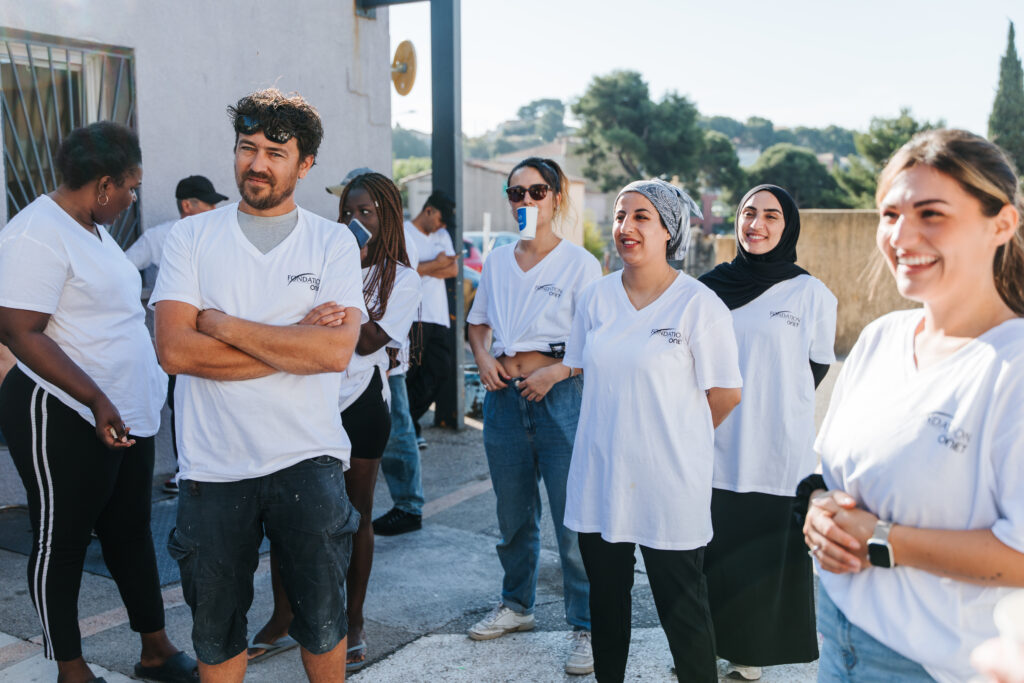
The Foundation provides direct financial support to partner organizations partner organizations to improve living conditions within their organizations.
Renovation work, purchase of equipment, and redesign of shared spaces : : every tangible investment helps restore dignity to the residents and sustainably improve their living conditions.
This support complements public funding, which is often insufficient to meet the scale of the needs.
The Foundation provides direct financial support to partner organizations partner organizations to improve living conditions within their facilities. Renovation work, purchase of equipment, and refurbishment of shared spaces : : every tangible investment helps restore dignity to the residents and sustainably improve their living conditions. This support complements public funding, which is often insufficient to meet the scale of the needs.

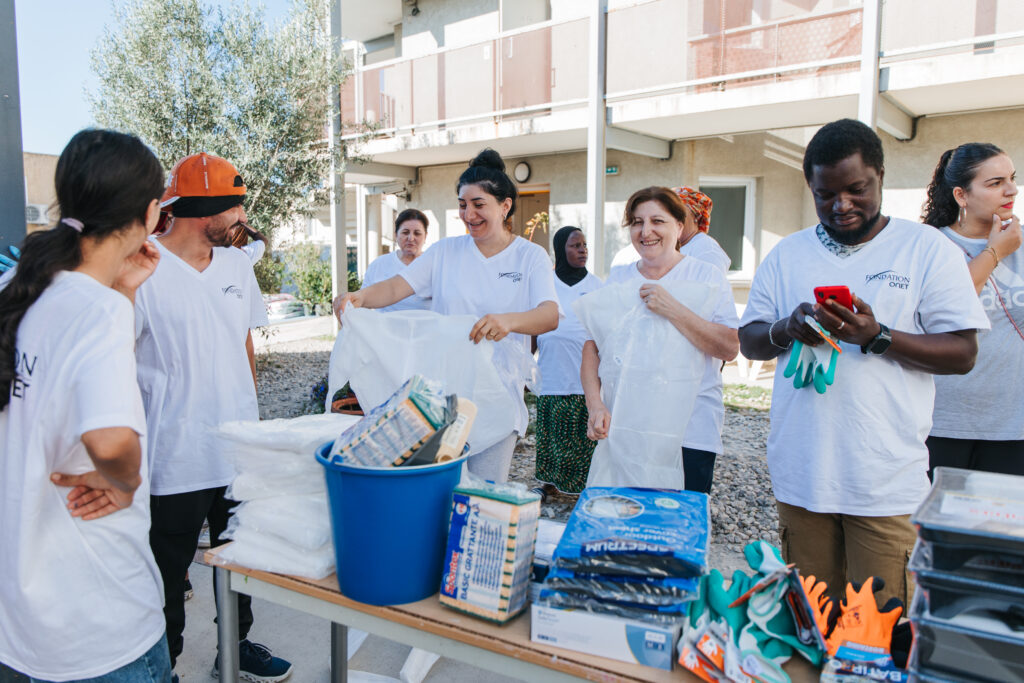
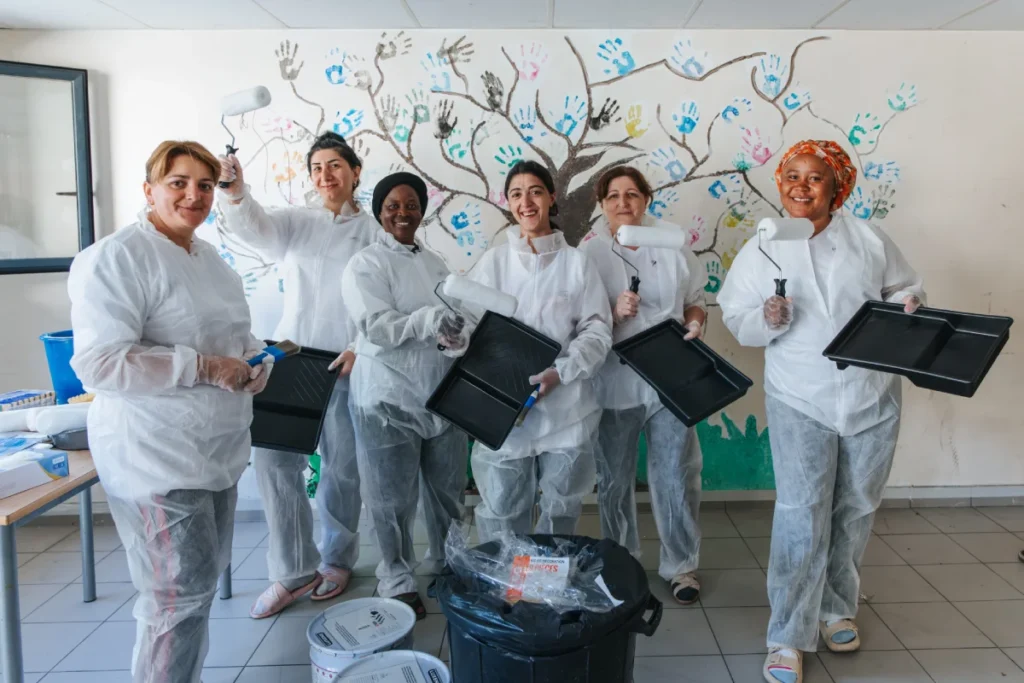
Beyond providing occasional assistance, the Foundation is committed to building long-term partnerships with its partner organizations.
It supports them in defining and implementing their projects, fostering synergies with networks of socially responsible businesses (Entreprendre pour Toi, Sésame, L’Entreprise des Possibles).
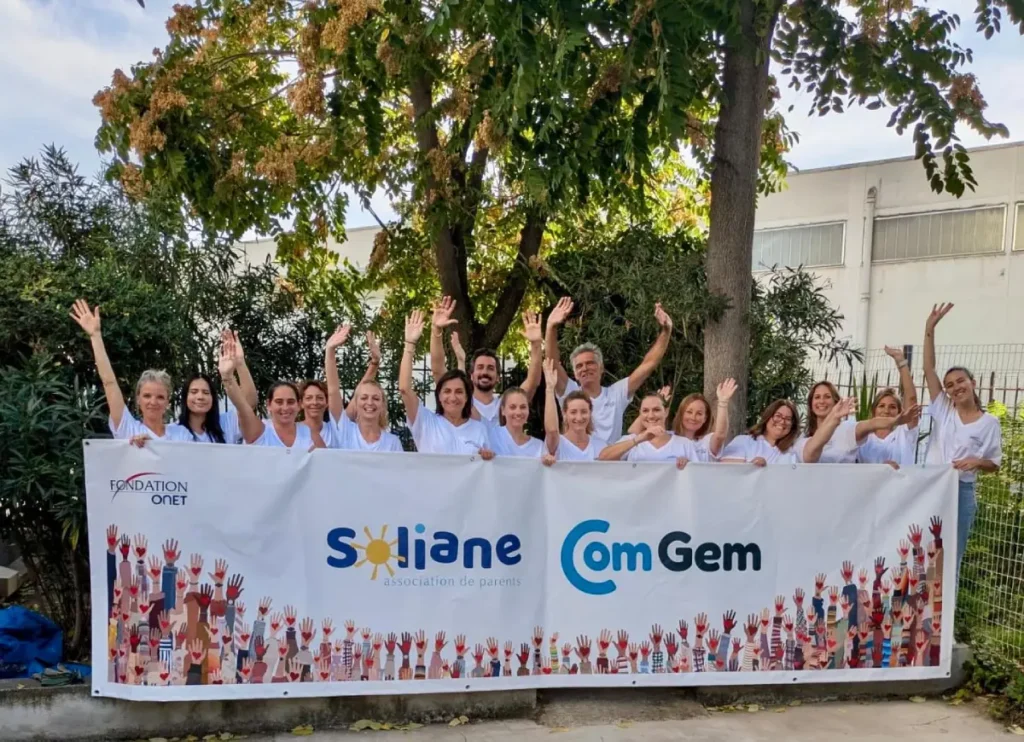
Every year in September, employees of the Onet Group roll up their sleeves to help care facilities with beautification and renovation projects. In 2025: 400 volunteer employees, 25 facilities, 5,700 beneficiaries. In 2026, see you on September 18.
If you have any questions or would like more information, please don’t hesitate to contact us.
The Onet Foundation is here to assist you with your needs and support you every step of the way.