Because substandard housing is often a reflection of broader social vulnerability, the Onet Foundation is also active on other fronts to support the most vulnerable populations.
Learn about our efforts to combat poverty in all its forms.
Take concrete steps to combat substandard housing and promote decent housing for all.
In France, substandard housing remains a serious concern affecting millions of people. In 2024, approximately 350,000 people were homeless, according to the Foundation for Housing for the Disadvantaged. This population lives on the streets or in emergency shelters, highlighting the alarming state of the situation. Furthermore, 2.7 million households are on the waiting list for public housing, while only 82,000 new units have been funded—a historically low number.
This imbalance highlights the growing difficulty many people face in finding decent housing, particularly in major cities such as Paris, Marseille, Lyon, and Lille, where the housing market is especially tight.
Substandard housing refers to a situation in which a person or family does not have decent housing that meets minimum standards of comfort, safety, and health.
This includes people who are homeless, those living in substandard, overcrowded, or cramped housing, as well as households facing eviction without being offered alternative housing.
Poor housing conditions are not limited to homelessness. They also include housing that is unsanitary, too small, inaccessible, or fails to meet basic standards of comfort.
Approximately 1.9 million people live in housing without heat, without plumbing, or that is prone to dampness. These figures are cause for concern given the growing need for decent housing.
Nearly 30% of households are affected by energy poverty.
Poor insulation and high energy costs are forcing some people to choose between heating their homes and putting food on the table.
This vulnerability is particularly acute among older adults and people with disabilities.
550,000 people with disabilities live in housing that is unsuitable and, in some cases, does not comply with housing codes.
The lack of accessibility makes their daily lives even more difficult.
The development of accessible housing is a national priority, recognized as a fundamental right to a life of dignity.
With 19,000 evictions recorded in 2024, many families are losing their homes without any alternative housing.
This highlights the limitations of current policies and the need for fairer laws to prevent extreme precariousness.
These situations show that, for many people, stone is no longer a symbol of stability, but a factor in social exclusion.
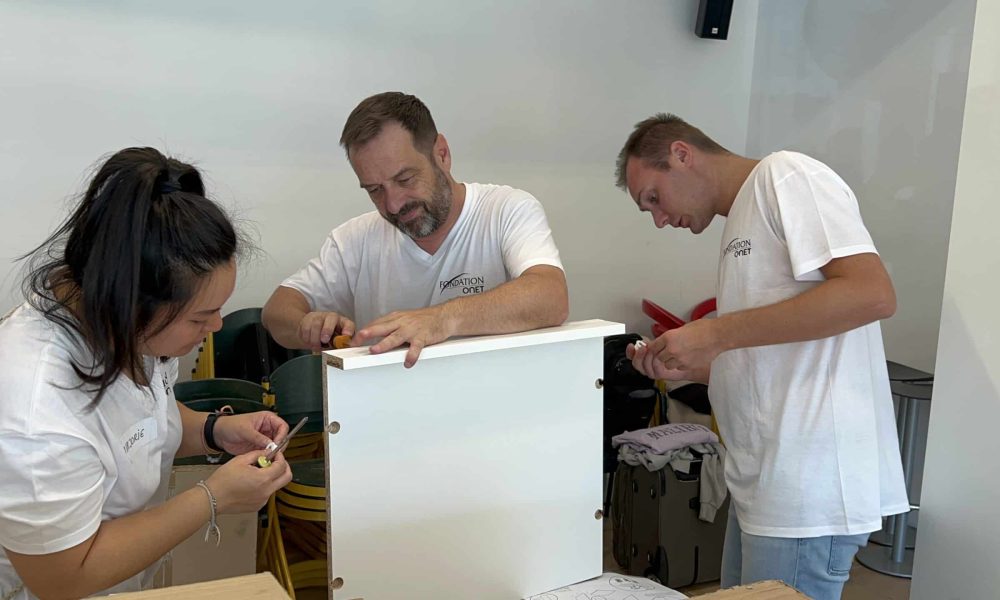
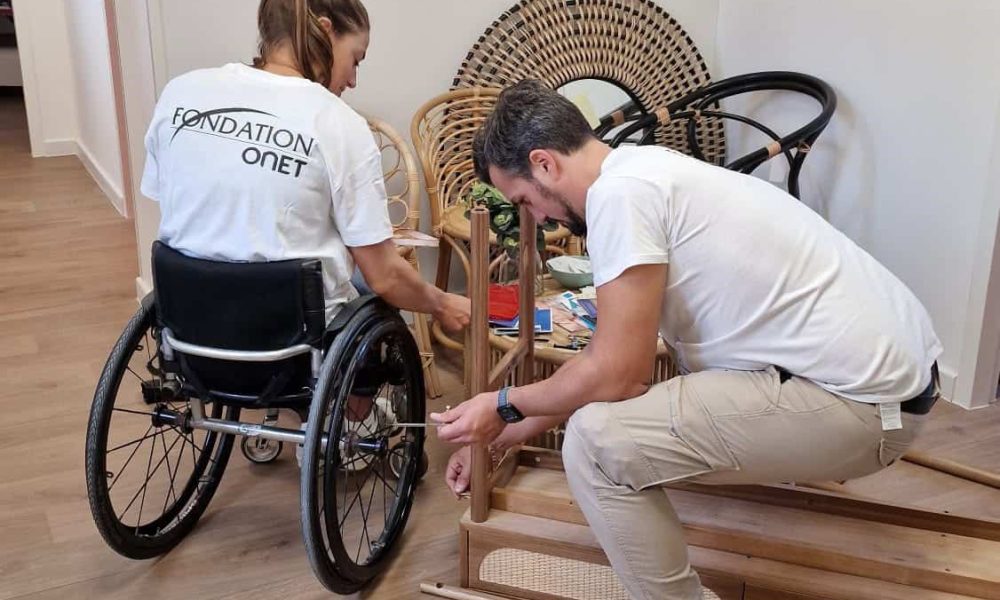
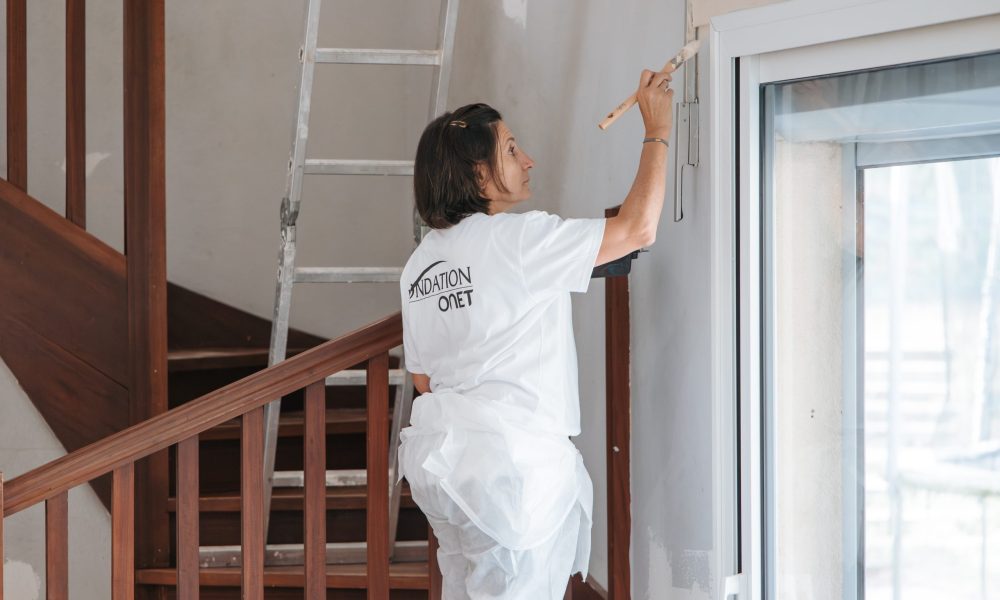
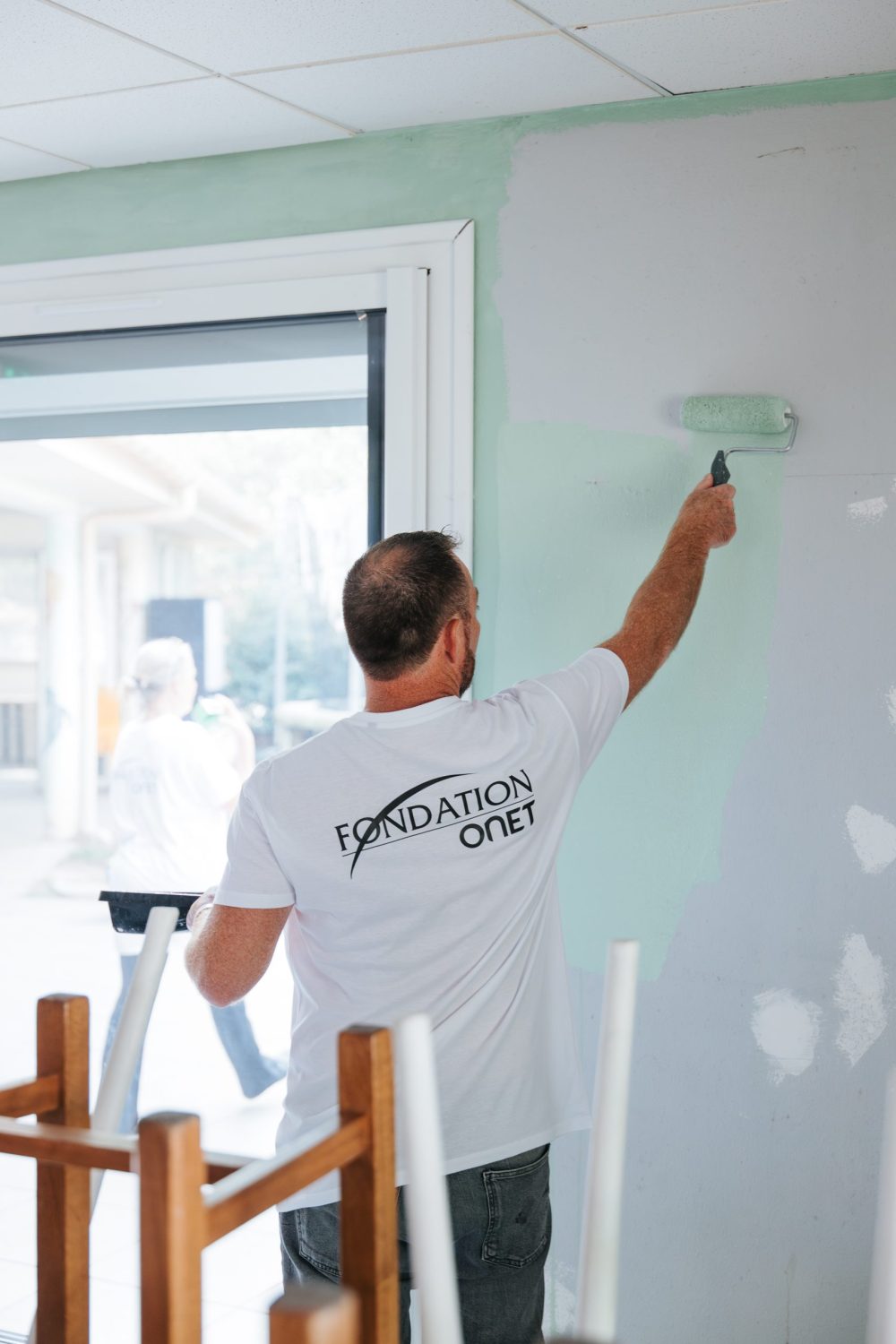
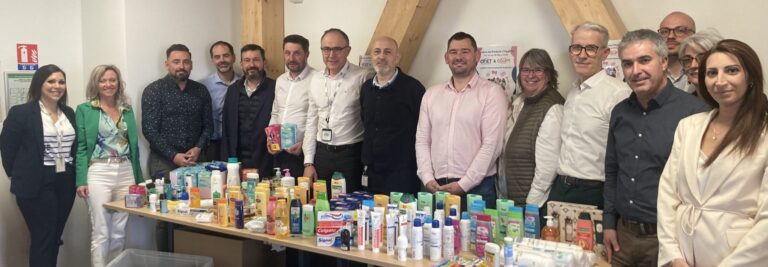
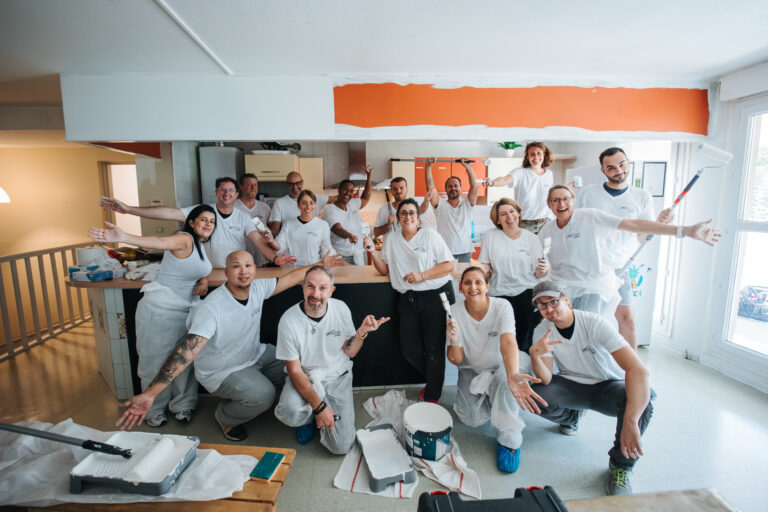
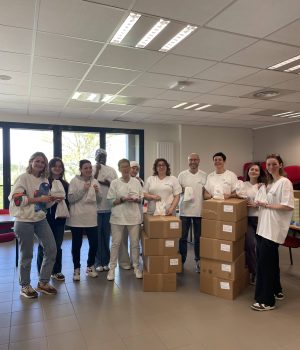
Every September, our employees come together for Solidarity and Housing Day to help improve the living conditions of people in need.
This initiative brings teams together to carry out small-scale projects at facilities that serve people in vulnerable situations (such as shelters and social reintegration centers (CHRS), asylum seeker centers (CADA), day centers for the homeless, shelters, community food pantries, etc.).
Since 2022, projects have also been underway internationally. As a result, teams from Onet’s subsidiaries in Brazil, Spain, Luxembourg, and Morocco have been able to get involved with local organizations.
Over the past 15 years, 145 community centers have been supported by more than 2,900 dedicated volunteers, with each effort contributing to the creation of a more compassionate society.
Beyond the numbers, this initiative demonstrates our role as a hands-on player, helping to tangibly improve living conditions in a more humane and inclusive environment.
This initiative meets specific criteria regarding social impact and benefits for the target audience, in order to ensure that it is truly effective.
This collective initiative subsequently took shape with the creation of an endowment fund, *Entreprendre pour toi*, of which the Onet Foundation is a founding member.
Launched in March 2023, this business consortium aims to combat precarious living conditions in the Aix-Marseille-Provence region.
This endowment fund enables us to strengthen our local presence by mobilizing our resources and allowing our employees to get actively involved alongside our nonprofit partners.
The collective thus supports these organizations in improving residents’ quality of life through financial, skills-based, or in-kind sponsorship, using concrete solutions such as temporary housing, vocational training, and educational camps for children.
In October 2021, drawing on its network and resources, the Onet Foundation and nine organizations in Marseille launched the initiative “Entrepreneurship for Displaced Residents of Marseille.”
Created in response to the building collapses that occurred on Rue d’Aubagne in Marseille in 2018, this project aims to help displaced households find permanent housing in collaboration with Soliha and Adoma.
These two organizations, commissioned by the government, provide temporary housing and social services for these individuals.
Since its launch, more than 250 households have received support, demonstrating the Onet Foundation’s commitment to providing sustainable and practical solutions to people affected by substandard housing.
If you have any questions or would like more information, please don’t hesitate to contact us.
The Onet Foundation is here to assist you with your needs and support you every step of the way.
Because substandard housing is often a reflection of broader social vulnerability, the Onet Foundation is also active on other fronts to support the most vulnerable populations.
Learn about our efforts to combat poverty in all its forms.