



Poor sanitation

A basic need that is still too often overlooked

Hygiene is a basic need that remains out of reach for many. The Onet Foundation is taking concrete steps to address this issue.

An invisible but critical issue: poor sanitation

Hygiene insecurity refers to situations in which people face a consistent lack of access to basic hygiene products such as soap, toothpaste, menstrual products, laundry detergent, etc.

Long overlooked, this form of precariousness now affects several million people in France and poses a major challenge in terms of dignity, public health, and social inclusion.

Certain groups, such as women, children, and the homeless, are particularly vulnerable to this issue, which should serve as a wake-up call for society.

Key statistics on poor sanitation in France

Many French people are cutting back on their purchases of hygiene products due to inflation.*‎ ‎ ‎ ‎ ‎ ‎ ‎ ‎
0 %
Many people are choosing not to buy essential hygiene products.
0 M
Many women lack access to menstrual products, and this number is steadily rising.
0 %

*(Don Solidaire / Ifop Survey).

The Many Consequences of Poor Sanitation

A major public health issue

The lack of basic hygiene products increases the risk of infections and skin diseases and affects mental health.

A taboo that reinforces exclusion

The silence and shame surrounding this form of precariousness only serve to deepen the sense of isolation.

An obstacle to social inclusion

Poor hygiene undermines self-esteem and hinders access to education and employment.

Daily pressure on families

Many parents are forced to make difficult choices for financial reasons, sometimes limiting access to showers, even for their children. 

A precarious situation often linked to food

People affected by poor hygiene often face other forms of vulnerability, particularly food insecurity.

When faced with the choice between eating and bathing, many have no choice but to prioritize the essentials in order to survive.

This everyday reality shows just how closely various forms of vulnerability are linked, and why a comprehensive approach is necessary.

Our commitment: a concrete response to the lack of access to basic sanitation

A nationwide effort

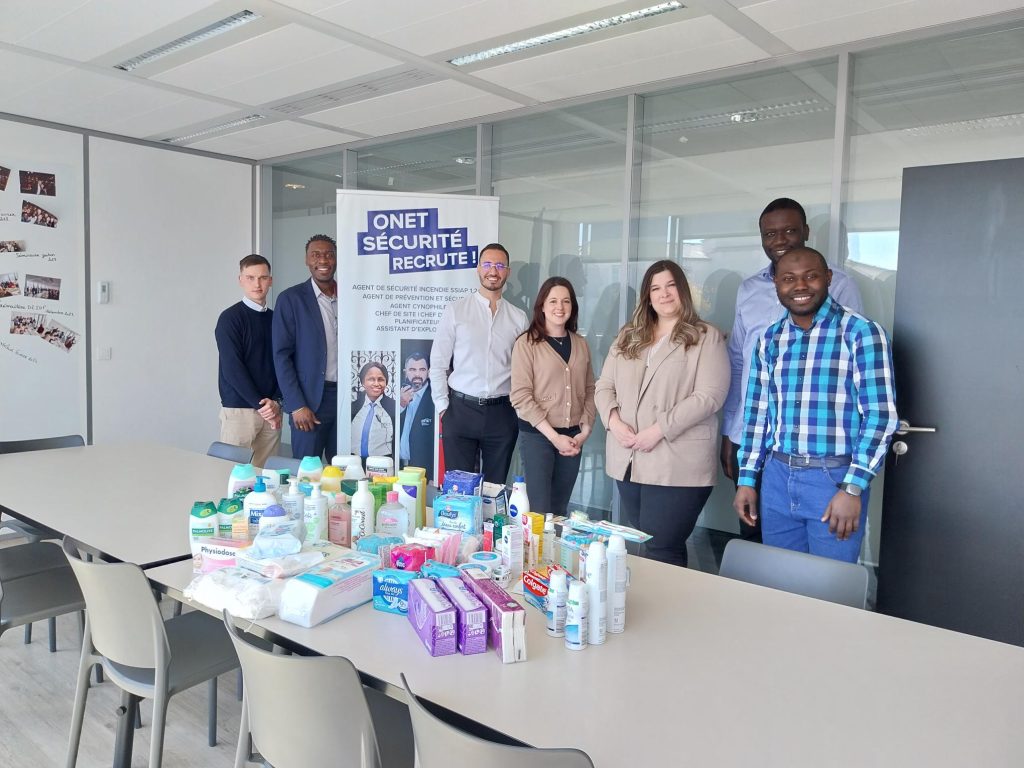
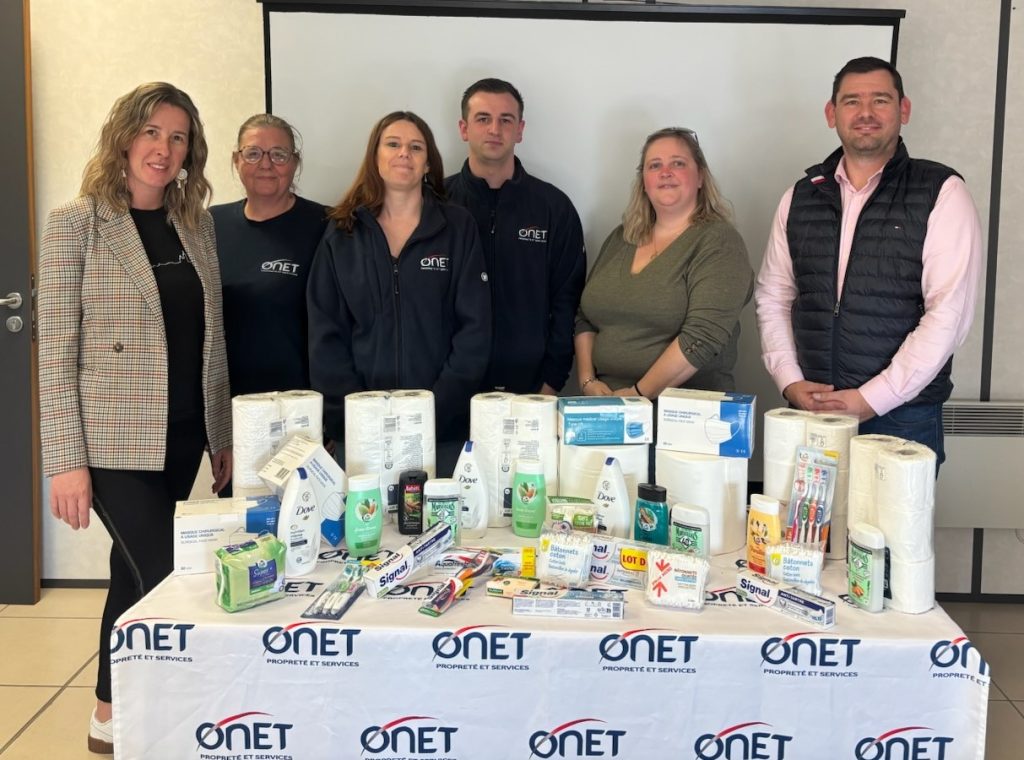
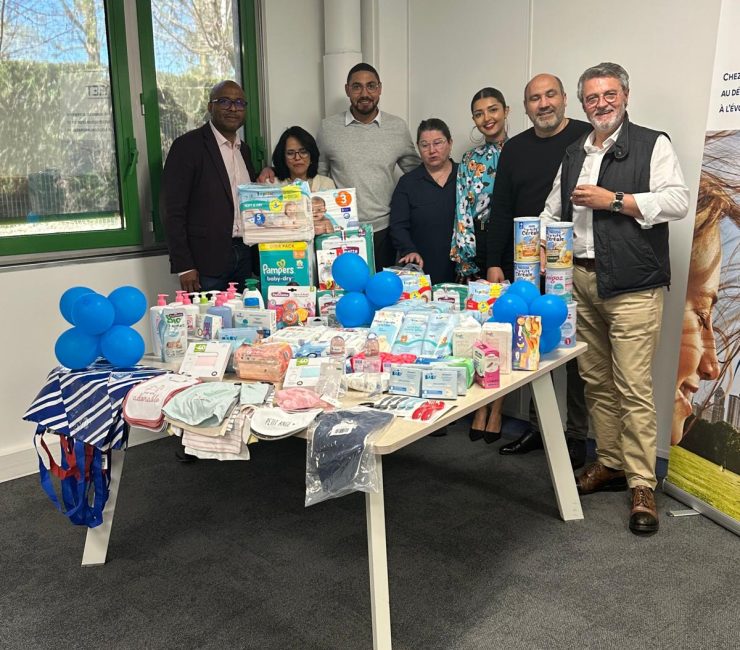
Every March, the Onet Foundation supports organizations working to combat poor hygiene by encouraging the Group’s various sites to organize drives to collect hygiene products. 

During these drives, Onet employees are encouraged to bring in new items.

These donations are then distributed to local social services (day centers, food pantries, shelters) that work directly with people in vulnerable situations who do not have regular access to these basic necessities.

Essential supplies for the most vulnerable

These initiatives benefit many different groups, who are often excluded from traditional aid channels and do not have regular access to these essential items. The beneficiaries of these drives include:

Women in vulnerable situations who face menstrual insecurity and for whom sanitary products (pads, tampons, period underwear) are intended,

People who are homeless or living in substandard housing, for whom items such as soap, shampoo, toothpaste, deodorant, or disposable razors are in short supply,  

Families in dire straits who lack baby supplies (diapers, wipes, baby lotion) to provide basic care for their children, 

Young people, students, and those living in isolation, supported by social services that distribute hygiene kits to help them in their daily lives. 

A concrete commitment on the ground 

To continue their efforts, employees have the opportunity to volunteer their time during work hours with a partner organization.  

Example of a community-based initiative in the region

IMG-20250407-WA0003

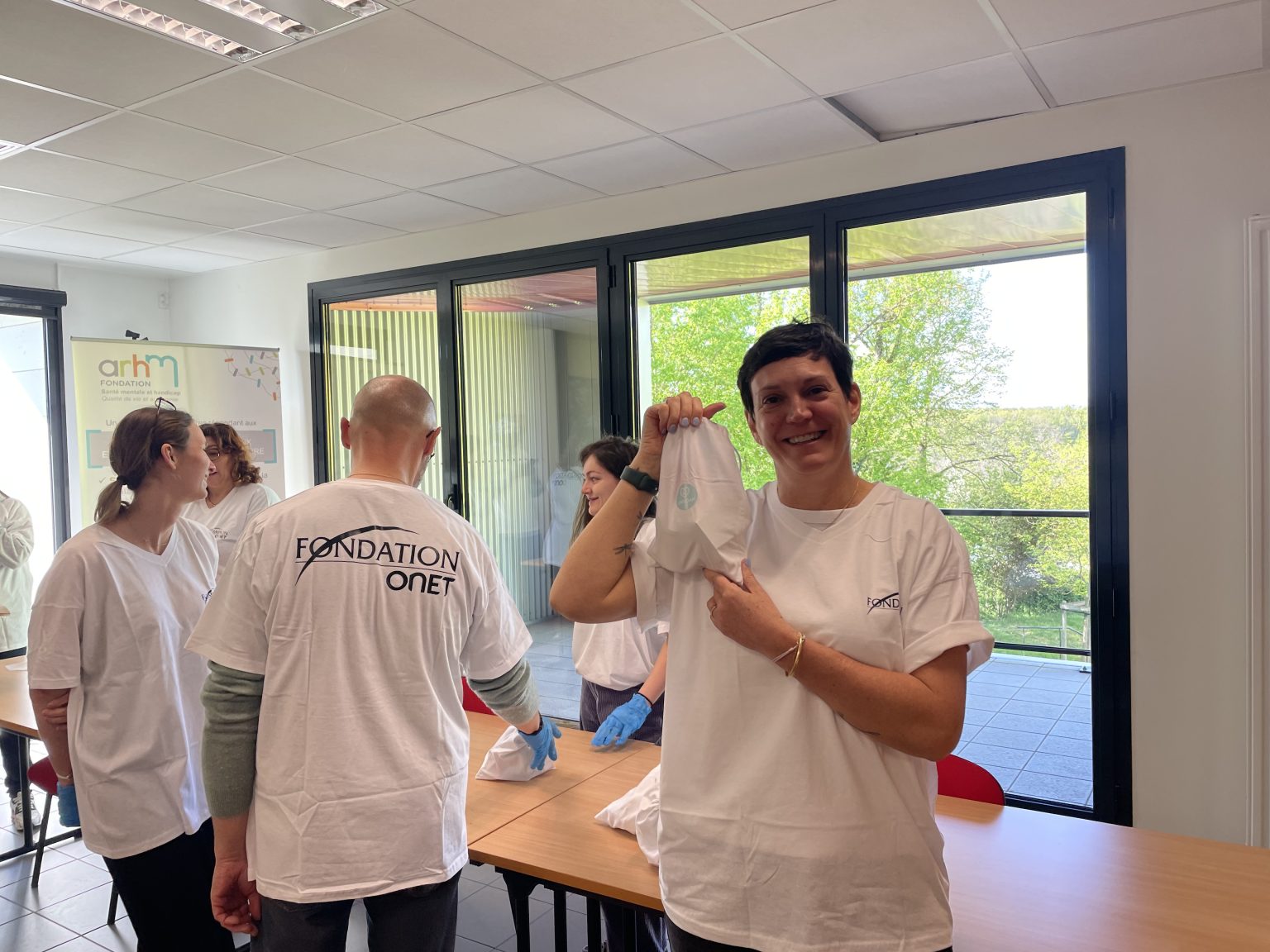
On April 11, 2025, 10 employees from the Lyon area volunteered to help assemble hygiene kits—made up primarily of donated items—for UNISOAP, an organization that works to combat poor hygiene conditions. 

This initiative resulted in the production of 250 hygiene kits, which were distributed to the Forum Réfugiés organization, benefiting the 175 adults and children housed in their emergency shelter for asylum seekers. 

This kind of commitment is made possible by the involvement of a large number of volunteer employees, who are responsible for carrying out the various charitable initiatives proposed by the Foundation.

Their involvement reflects the company’s commitment to making a positive impact in the communities where it operates. 

Contact us

If you have any questions or would like more information, please don’t hesitate to contact us.

The Onet Foundation is here to assist you with your needs and support you every step of the way.

This data is collected for the purposes of processing related to subscriptions to our newsletters, communications about events related to the Onet Foundation’s activities, and outreach.

All data fields are required. This data is intended for authorized Onet Foundation staff.

This data will be retained:

for 3 years from the date of your last contact with us if you are not otherwise listed as a “client” contact;
if you subscribe to a newsletter or event invitations, for as long as you do not unsubscribe.

What if we also talked about substandard housing?

Substandard housing

Poverty doesn’t stop at the dinner table. It also plays out within the four walls of a home. Faced with substandard housing, thousands of people live every day in undignified conditions or are homeless.

The Onet Foundation is also committed to this cause, providing concrete solutions to bring about lasting improvements in the daily lives of those who lack decent housing.
Foundation 2-9